Sunday, 21 September 2025

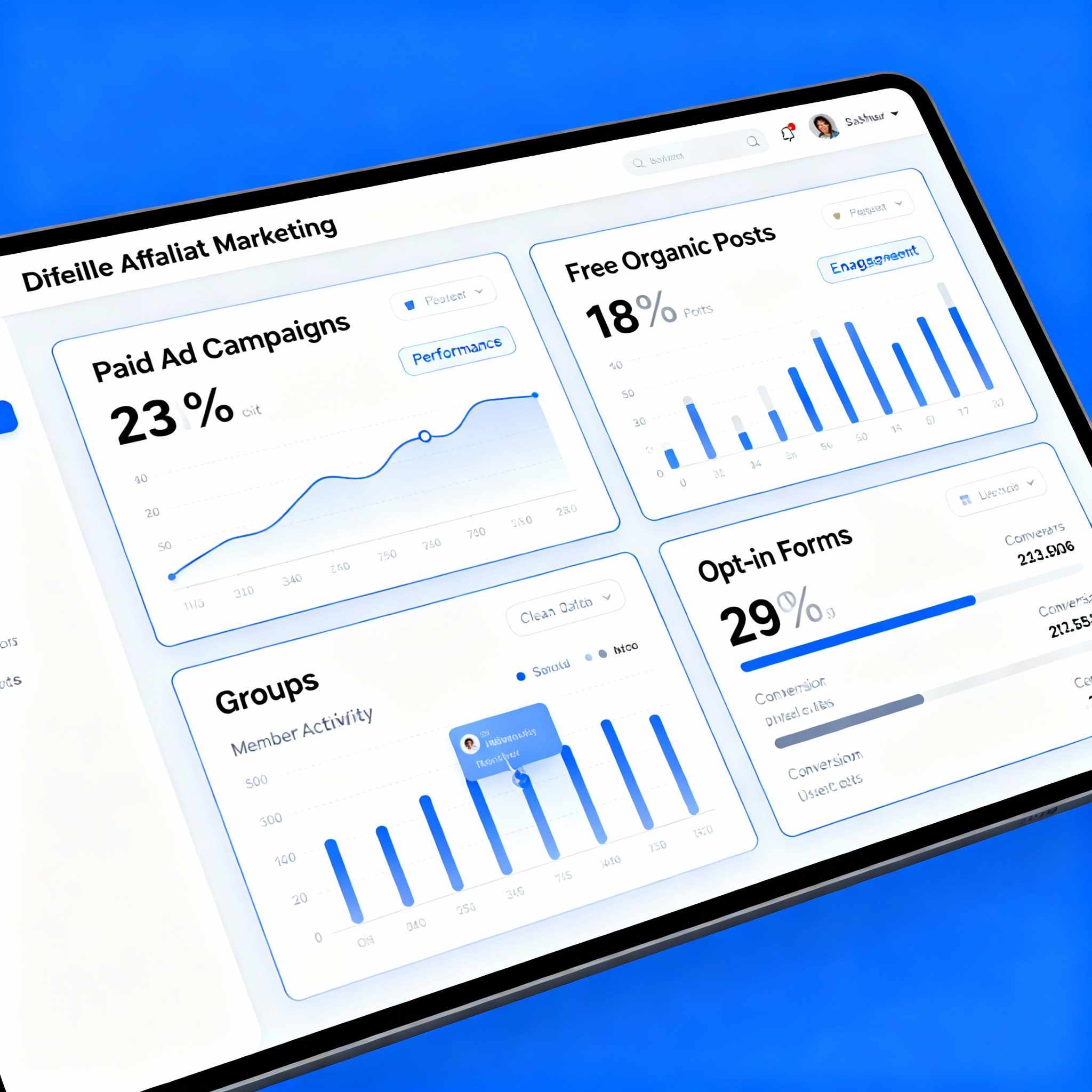
How to Drive Massive Traffic to Affiliate Offers Using Facebook Paid and Free Methods in 2025


 Facebook remains one of the most powerful platforms for affiliate marketers looking to drive targeted traffic to their offers. With over 2.9 billion monthly active users and advanced targeting capabilities, Facebook provides unmatched opportunities to reach potential buyers effectively. Whether you’re on a budget and want to leverage free organic methods or you have some capital to invest in paid ads, this guide will walk you through proven strategies to boost your affiliate commissions on Facebook in 2025.


Why Facebook Is Ideal for Affiliate Marketing

Facebook’s ecosystem offers both scale and precision. You can deliver your affiliate offers to highly specific audiences based on their interests, demographics, and behaviors. Additionally, Facebook’s platform supports various content types—from posts and groups to stories and live videos—giving you multiple channels to engage your audience authentically. This diversity enables affiliate marketers to blend paid and free tactics seamlessly for sustainable growth.


Paid Facebook Traffic Strategies for Affiliate Offers

Running paid ads on Facebook is a fast and scalable way to drive traffic to your affiliate offers, provided you follow best practices:

  • Target Your Ideal Audience Precisely: Use Facebook’s extensive targeting options to segment users by location, age, interests, and purchasing behaviors. Crafting specific buyer personas ensures your ad spend is efficient.

  • Choose the Right Ad Format: Test single-image ads, carousel ads featuring multiple products, short videos, or Facebook Lead Ads that capture emails without leaving Facebook. Different formats work better for different niches.

  • Create Engaging Creatives with Strong CTAs: Use high-quality visuals and compelling benefit-driven copy. Clearly guide your audience on what action to take next, such as “Buy Now” or “Learn More.” Avoid heavy sales jargon to maintain trust.

  • Optimize Landing Pages for Conversions: Ensure your affiliate landing pages load quickly, have mobile-friendly designs, and feature clear next-step actions aligned with your Facebook ads.

  • Utilize Retargeting Campaigns: Facebook’s retargeting options let you re-engage users who interacted with your content but didn’t convert initially. Retargeting is crucial for maximizing ROI.

Paid campaigns require an initial investment but can generate quick affiliate sales when targeted correctly.


Free Facebook Traffic Methods for Affiliate Marketing

If you prefer building your audience without spending on ads, free organic Facebook methods can deliver substantial long-term traffic and trust:

  • Create and Grow a Facebook Page or Group: Build a community around a niche relevant to your affiliate offers. Share valuable, educational, and relatable content regularly to attract followers interested in your niche.

  • Post Engaging Content Consistently: Share tutorials, how-tos, product reviews, stories, and polls. Storytelling generates higher engagement than direct selling.

  • Leverage Facebook Groups: Join groups related to your niche and contribute valuable insights without spamming affiliate links. Build relationships first.

  • Use Facebook Live and Stories: Real-time interactions through Live videos increase authenticity and trust. Use Stories to give quick tips or product showcases.

  • Encourage Audience Interaction: Contests, Q&A sessions, and testimonials generate user engagement and word-of-mouth that drive more traffic organically.

While free methods take patience and consistent effort, they establish a loyal follower base that boosts repeat conversions over time.

SEO-Friendly Tips for Facebook Affiliate Marketing Success

To improve both Facebook visibility and search engine rankings for your affiliate content:

  • Use Relevant Keywords and Hashtags: Research and include keywords that your target audience searches for in your post text, ad copy, and image descriptions.

  • Optimize Your Facebook Page and Group: Fill out about sections with target keywords, and use SEO-friendly URLs for easier discovery.

  • Create Shareable, Valuable Content: Facebook rewards content that resonates and encourages comments and shares, increasing organic reach.

  • Link Back to SEO-Optimized Affiliate Content: Build backlinks from your Facebook assets to blog posts or landing pages optimized for search engines for omnichannel traffic growth.



Compliance and Best Practices to Keep Your Facebook Affiliate Marketing Sustainable

  • Be transparent about affiliate relationships by disclosing affiliate links clearly with hashtags (#ad, #affiliate) or simple statements.

  • Avoid misleading claims and respect Facebook’s advertising policies to prevent bans or account restrictions.

  • Focus on adding value rather than aggressive selling; trust is key for long-term affiliate success.

  • Always track your campaigns with tools that provide insights on clicks, conversions, and ROI to continuously optimize performance.


Enhance Conversions with These Tips

  • Test Different Creatives and Copy: Use A/B testing to find winning ad formats and messaging.

  • Incorporate Trust Elements: Include testimonials, product reviews, and guarantees on landing pages.

  • Streamline the Conversion Process: Remove distractions and minimize steps from clicking your affiliate link to purchasing.

  • Use Retargeting: Re-engage users who visited but didn’t buy.


Final Thoughts

Driving traffic to affiliate offers on Facebook requires a balanced mix of paid ads and organic strategies. A well-targeted paid campaign can ignite fast traffic and sales, while consistent free methods build long-lasting relationships and authority. Combine these approaches with SEO-friendly content and transparency for the best results.

In 2025, Facebook remains an affiliate marketer’s goldmine, if approached with strategy and integrity.


If you follow these steps and strategically use paid and organic methods together, your affiliate marketing on Facebook will thrive. Keep learning, experimenting, and adapting to the ever-evolving Facebook platform to maximize your affiliate commissions.


Saturday, 20 September 2025

Affiliate Marketing for Beginners: Your Ultimate Guide to Earning Online in 2025


Affiliate marketing has become one of the most attractive ways to earn money online, especially for beginners looking to start a digital side hustle or even build a full-time income. It combines the power of online content creation and strategic promotion to earn commissions by recommending products or services from other companies. This guide will walk through everything a beginner needs to know to start affiliate marketing successfully in 2025 and beyond.

What Is Affiliate Marketing?

Affiliate marketing is a performance-based business model where individuals (affiliates) earn commissions by promoting other companies’ products or services. When someone clicks on an affiliate link shared by the affiliate and completes a purchase or a desired action (like signing up for a service), the affiliate receives a commission. This system benefits both the merchant, who gains customers, and the affiliate, who earns income without handling products or sales logistics.

The process can be summarized in five simple steps:

  1. Choose a product or service you want to promote.

  2. Find and join an affiliate program through networks or merchants.

  3. Get a unique affiliate tracking link from the affiliate program.

  4. Share that link on your website, social media, or other platforms.

  5. Earn commissions on sales made through your link.

Why Affiliate Marketing Is Perfect for Beginners

Affiliate marketing is beginner-friendly because it requires little to no upfront capital, no need to create or store products, and offers flexible working hours. Anyone with a passion for a niche, good communication skills, and willingness to learn can succeed. Moreover, it allows for building passive income streams—once content is created and ranked on search engines or shared widely, commissions can keep coming in even while you sleep.

Choosing Your Niche Wisely

A niche is a specific focus area or topic that your content and promotions revolve around. Selecting the right niche is crucial for affiliate marketing success. A niche that aligns with your interests or expertise will make creating authentic and valuable content easier, which builds trust with your audience.

When choosing a niche:

  • Look for areas with enough products or services to promote and a sizable audience.

  • Avoid overly saturated niches unless you can find a unique angle or sub-niche.

  • Research potential affiliate programs and commission rates in that niche to ensure profitability.

Examples of interesting niche ideas include smart home technology, eco-friendly products, fitness gear for home workouts, or pet care accessories. Picking a niche you're passionate about helps maintain motivation and authenticity.

Building the Right Platform

Affiliates typically use channels like blogs, YouTube, Instagram, TikTok, or podcasts to reach their audience. The choice of platform depends on where your target audience spends their time and your preferred content format.

  • Blogs and websites excel in detailed content, product reviews, comparisons, and SEO strategies for organic traffic.

  • YouTube works well for unboxings, tutorials, and demonstration videos.

  • Social media platforms like Instagram and TikTok favor short, engaging content and influencer-style promotions.

  • Email marketing remains one of the most effective tools to nurture relationships and boost affiliate sales over time.


Creating Quality, Authentic Content

Content is the backbone of affiliate marketing. The key difference between successful affiliates and others is delivering authentic, helpful content that genuinely helps the audience make informed buying decisions.

Content ideas that work well include:

  • In-depth product reviews highlighting pros and cons.

  • “Best of” lists for specific product categories.

  • How-to guides and tutorials using the product.

  • Comparisons between similar products.

  • Lifestyle content showing the product in real-life contexts.

Transparency is vital. Always disclose affiliate links clearly to maintain trust and comply with regulations. Avoid misleading promotions; focus instead on educating and assisting your audience.

Leveraging SEO for Organic Traffic Growth

SEO (Search Engine Optimization) is essential for attracting consistent, free traffic to your affiliate content. Beginners should learn basic SEO techniques such as keyword research, on-page optimization, and building backlinks.

To boost your SEO efforts:

  • Use keyword tools to find terms potential buyers search for.

  • Optimize titles, headers, and meta descriptions with those keywords.

  • Create content that answers common questions and solves problems.

  • Ensure your website loads fast and is mobile-friendly.

  • Build links by guest posting or networking within your niche community.

With good SEO practices, your affiliate content can rank high on search engine results pages, driving more clicks on your affiliate links.

Affiliate Program Selection

Not all affiliate programs are created equal. Beginners should look for reputable affiliate networks and programs that offer:

  • Competitive commission rates.

  • Reliable tracking and timely payments.

  • Good merchant reputation and quality products.

  • Helpful affiliate support and marketing resources.

Popular affiliate networks include Amazon Associates, ShareASale, CJ Affiliate, and Impact. Some companies also run their own affiliate programs. It’s smart to diversify and promote multiple products that suit your niche and audience needs.

Tracking and Analyzing Performance

Affiliate marketing success depends on data-driven decision making. Use tracking tools provided by affiliate programs or third-party software to monitor clicks, conversions, and revenue.

Analyze which content and products perform best and optimize your strategy by:

  • Focusing on high-converting products.

  • Updating or improving under-performing content.

  • Testing different call-to-actions and promotions.

Consistent monitoring helps scale your affiliate earnings efficiently.

Avoiding Common Beginner Mistakes

New affiliates often fail due to unrealistic expectations or poor strategy execution. Common pitfalls to avoid:

  • Expecting quick riches without consistent effort.

  • Promoting too many unrelated products damages trust.

  • Neglecting SEO and marketing leads to low traffic.

  • Ignoring audience engagement and feedback.

Affiliate marketing is a long-term journey requiring patience, creativity, and continuous learning.


Final Thoughts on Starting Affiliate Marketing

Affiliate marketing offers a genuine opportunity for beginners to enter the world of online business, create passive income, and grow professionally. By choosing the right niche, building authentic content, leveraging SEO and marketing tactics, and continuously optimizing efforts, beginners can successfully rank their content on search engines and earn sustainable commissions.

Starting with a focused plan and commitment to quality will set any beginner affiliate marketer up for success in 2025 and beyond.

Affiliate Marketing in 2026: Trends, Strategies, and What Works Now

Affiliate marketing in 2026 is no longer just about placing links on a website. It has become a performance-driven ecosystem built around cr...