Wednesday, 8 April 2026

Affiliate Marketing in 2026: Trends, Strategies, and What Works Now


Affiliate marketing in 2026 is no longer just about placing links on a website. It has become a performance-driven ecosystem built around creators, social commerce, AI, and strong tracking. Brands that treat affiliates as real partners are seeing better results than those that use the channel as a simple traffic source.

What affiliate marketing looks like now

Affiliate marketing still works because it connects brands with people who already have trust and influence. What has changed is the way traffic is generated and converted. In 2026, short-form video, creator storefronts, and platform-native recommendations are pushing buyers to act faster.


The biggest shift is that affiliate marketing now overlaps with influencer marketing, content marketing, and paid media. Instead of separate campaigns, many brands are building one unified partner strategy. That gives them more consistency, better attribution, and stronger conversion rates.


Why it matters in 2026

The online buying journey has become more fragmented. People may discover a product on TikTok, check reviews on YouTube, compare prices on a blog, and then buy through a creator link. Affiliate marketing helps brands capture that journey at different points.


Another reason it matters is that customer acquisition has become more expensive. Brands are looking for channels where payment is tied more directly to performance. Affiliate marketing is attractive because it can reduce upfront risk while still driving sales.


Main trends shaping the market

One major trend is the rise of micro-influencers. Smaller creators often have tighter communities and higher trust, which can lead to better engagement and more sales. Brands are increasingly choosing relevance over raw audience size.


AI is also changing affiliate work. It helps brands identify the right partners, personalize offers, improve content, and forecast results. That means campaigns can be more efficient and more targeted than before.


Social commerce is another big force. Platforms like TikTok, Instagram, and YouTube are becoming sales channels, not just discovery channels. This makes it easier for affiliates to shorten the gap between attention and purchase.


Privacy changes are also shaping strategy. As tracking becomes harder, brands need better first-party data and cleaner attribution. The companies that adapt will understand their partners’ true value more clearly.


Best strategies for brands

The best affiliate programs in 2026 are built on partnership, not volume alone. A good program starts with selecting affiliates who match the product and audience. A random list of publishers is less effective than a smaller group of highly relevant partners.


Brands should also provide strong support. That means clear commission rules, useful creatives, product samples when possible, and landing pages that are built to convert. Affiliates perform better when they have the tools to promote confidently.


It also helps to use layered incentives. Base commissions are useful, but bonuses for top performance can keep partners active. Exclusive offers, limited-time promotions, and custom deals can also improve conversion.


Best strategies for creators

For creators and publishers, the best approach is to build trust first. Audiences respond better when recommendations feel honest and useful. A creator who explains why a product matters usually performs better than one who only pushes a link.


Creators should focus on one or two niches rather than promoting everything. A narrower niche makes the audience more predictable and the content more credible. That often leads to stronger affiliate earnings over time.


It is also smart to test different content formats. Reviews, tutorials, comparisons, and “before and after” content often perform well. The key is to make the product feel naturally useful in the content, not forced into it.


Challenges to watch

Affiliate marketing is not automatic profit. Poor tracking, low-quality traffic, weak partner support, and unclear commission structures can damage results. If a program is not managed well, it can waste time and budget.


There is also more competition than before. That means simple promotions are no longer enough. Brands and creators need stronger positioning, better content, and better audience understanding.


What to expect next

Affiliate marketing will likely become even more data-driven and creator-led. The best campaigns will combine trust, automation, and real performance measurement. That is good news for serious brands and serious creators.


In 2026, the winning formula is simple: build trust, choose the right partners, and make conversion easy. The channel is still powerful, but it now rewards strategy more than ever.


Sunday, 21 September 2025

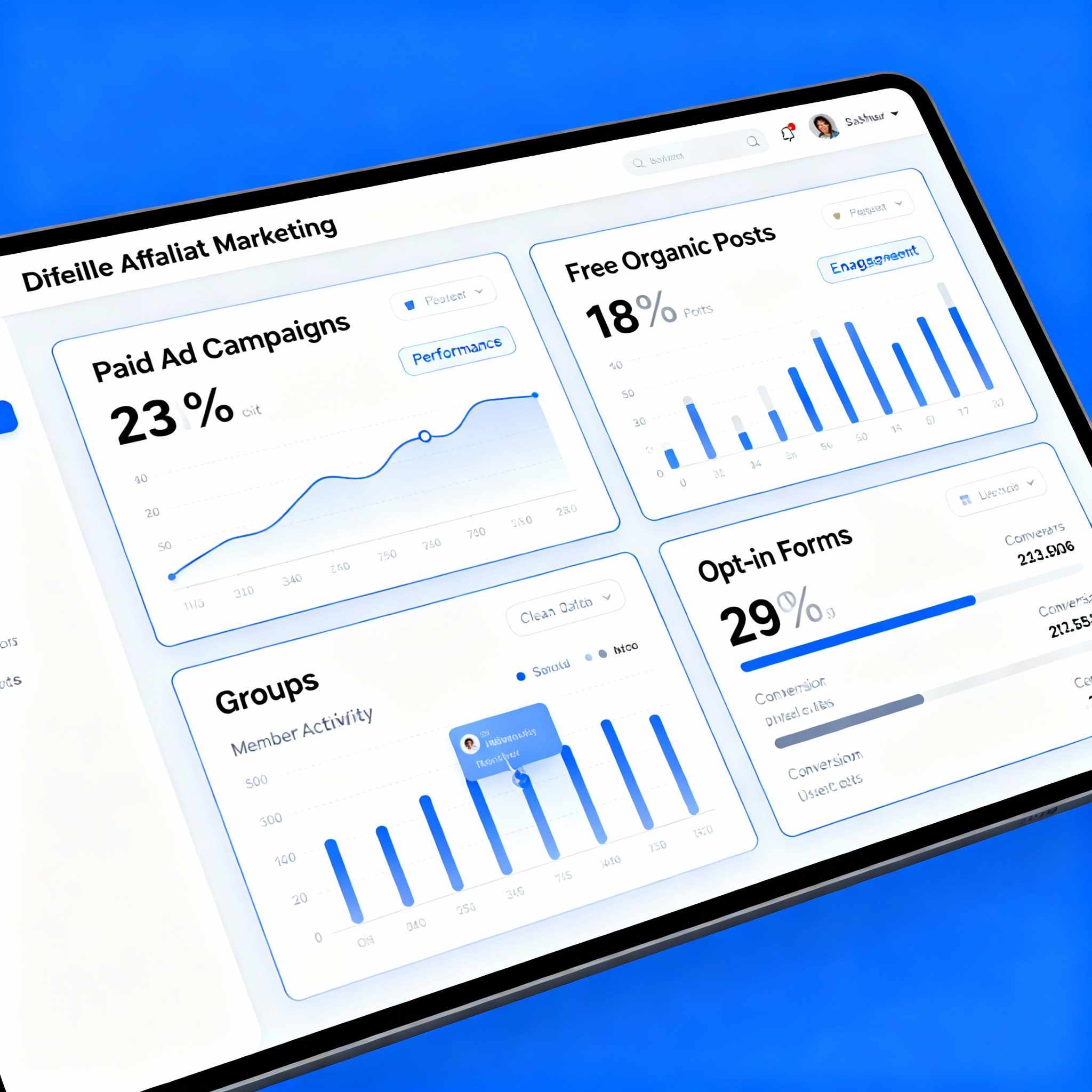
How to Drive Massive Traffic to Affiliate Offers Using Facebook Paid and Free Methods in 2025


 Facebook remains one of the most powerful platforms for affiliate marketers looking to drive targeted traffic to their offers. With over 2.9 billion monthly active users and advanced targeting capabilities, Facebook provides unmatched opportunities to reach potential buyers effectively. Whether you’re on a budget and want to leverage free organic methods or you have some capital to invest in paid ads, this guide will walk you through proven strategies to boost your affiliate commissions on Facebook in 2025.


Why Facebook Is Ideal for Affiliate Marketing

Facebook’s ecosystem offers both scale and precision. You can deliver your affiliate offers to highly specific audiences based on their interests, demographics, and behaviors. Additionally, Facebook’s platform supports various content types—from posts and groups to stories and live videos—giving you multiple channels to engage your audience authentically. This diversity enables affiliate marketers to blend paid and free tactics seamlessly for sustainable growth.


Paid Facebook Traffic Strategies for Affiliate Offers

Running paid ads on Facebook is a fast and scalable way to drive traffic to your affiliate offers, provided you follow best practices:

  • Target Your Ideal Audience Precisely: Use Facebook’s extensive targeting options to segment users by location, age, interests, and purchasing behaviors. Crafting specific buyer personas ensures your ad spend is efficient.

  • Choose the Right Ad Format: Test single-image ads, carousel ads featuring multiple products, short videos, or Facebook Lead Ads that capture emails without leaving Facebook. Different formats work better for different niches.

  • Create Engaging Creatives with Strong CTAs: Use high-quality visuals and compelling benefit-driven copy. Clearly guide your audience on what action to take next, such as “Buy Now” or “Learn More.” Avoid heavy sales jargon to maintain trust.

  • Optimize Landing Pages for Conversions: Ensure your affiliate landing pages load quickly, have mobile-friendly designs, and feature clear next-step actions aligned with your Facebook ads.

  • Utilize Retargeting Campaigns: Facebook’s retargeting options let you re-engage users who interacted with your content but didn’t convert initially. Retargeting is crucial for maximizing ROI.

Paid campaigns require an initial investment but can generate quick affiliate sales when targeted correctly.


Free Facebook Traffic Methods for Affiliate Marketing

If you prefer building your audience without spending on ads, free organic Facebook methods can deliver substantial long-term traffic and trust:

  • Create and Grow a Facebook Page or Group: Build a community around a niche relevant to your affiliate offers. Share valuable, educational, and relatable content regularly to attract followers interested in your niche.

  • Post Engaging Content Consistently: Share tutorials, how-tos, product reviews, stories, and polls. Storytelling generates higher engagement than direct selling.

  • Leverage Facebook Groups: Join groups related to your niche and contribute valuable insights without spamming affiliate links. Build relationships first.

  • Use Facebook Live and Stories: Real-time interactions through Live videos increase authenticity and trust. Use Stories to give quick tips or product showcases.

  • Encourage Audience Interaction: Contests, Q&A sessions, and testimonials generate user engagement and word-of-mouth that drive more traffic organically.

While free methods take patience and consistent effort, they establish a loyal follower base that boosts repeat conversions over time.

SEO-Friendly Tips for Facebook Affiliate Marketing Success

To improve both Facebook visibility and search engine rankings for your affiliate content:

  • Use Relevant Keywords and Hashtags: Research and include keywords that your target audience searches for in your post text, ad copy, and image descriptions.

  • Optimize Your Facebook Page and Group: Fill out about sections with target keywords, and use SEO-friendly URLs for easier discovery.

  • Create Shareable, Valuable Content: Facebook rewards content that resonates and encourages comments and shares, increasing organic reach.

  • Link Back to SEO-Optimized Affiliate Content: Build backlinks from your Facebook assets to blog posts or landing pages optimized for search engines for omnichannel traffic growth.


Compliance and Best Practices to Keep Your Facebook Affiliate Marketing Sustainable

  • Be transparent about affiliate relationships by disclosing affiliate links clearly with hashtags (#ad, #affiliate) or simple statements.

  • Avoid misleading claims and respect Facebook’s advertising policies to prevent bans or account restrictions.

  • Focus on adding value rather than aggressive selling; trust is key for long-term affiliate success.

  • Always track your campaigns with tools that provide insights on clicks, conversions, and ROI to continuously optimize performance.


Enhance Conversions with These Tips

  • Test Different Creatives and Copy: Use A/B testing to find winning ad formats and messaging.

  • Incorporate Trust Elements: Include testimonials, product reviews, and guarantees on landing pages.

  • Streamline the Conversion Process: Remove distractions and minimize steps from clicking your affiliate link to purchasing.

  • Use Retargeting: Re-engage users who visited but didn’t buy.


Final Thoughts

Driving traffic to affiliate offers on Facebook requires a balanced mix of paid ads and organic strategies. A well-targeted paid campaign can ignite fast traffic and sales, while consistent free methods build long-lasting relationships and authority. Combine these approaches with SEO-friendly content and transparency for the best results.

In 2025, Facebook remains an affiliate marketer’s goldmine, if approached with strategy and integrity.


If you follow these steps and strategically use paid and organic methods together, your affiliate marketing on Facebook will thrive. Keep learning, experimenting, and adapting to the ever-evolving Facebook platform to maximize your affiliate commissions.


Affiliate Marketing in 2026: Trends, Strategies, and What Works Now

Affiliate marketing in 2026 is no longer just about placing links on a website. It has become a performance-driven ecosystem built around cr...